For municipalities, hotels, and recreation centers, choosing between an indoor or outdoor aquatic facility is a high-stakes decision. Each format offers distinct advantages, but the seasonal limitations of outdoor pools often create a financial bottleneck.
The modern solution? The Hybrid Approach. By utilizing a professional enclosure, operators can capture the benefits of both worlds.
Comparison: Indoor vs. Outdoor Aquatic Facilities
| Feature | Indoor Public Pools | Outdoor Public Pools (Uncovered) |
|---|---|---|
| Operational Days | 365 days/year | ~90–120 days (Weather dependent) |
| Revenue Stream | Consistent & Predictable | Highly Seasonal/Volatile |
| Maintenance | Lower maintenance cost | High debris and chemical fluctuation |
| User Experience | Protected but lacks "open air" feel | High appeal in summer; unusable in winter |
| ROI Period | Faster (due to year-round use) | Slower (limited by short season) |
The Outdoor Pool Dilemma: Why Revenue Stagnates
While outdoor pools are beloved during peak summer months, they suffer from several "deal-breakers" for commercial operators:
- The "Dead" Season: In Canada, an outdoor pool sits dormant for 70% of the year. During this time, the facility generates zero revenue while still incurring costs for winterization and structural maintenance.
- Weather Sensitivity: A single rainy weekend in July can wipe out a facility's weekly profit.
- Shortened Programming: You cannot host consistent morning swim clubs, school programs, or therapeutic sessions if the air temperature is unpredictable.
The Indoor Advantage: Reliability and Revenue
Indoor pools are the gold standard for financial stability.
- Constant Cash Flow: Membership renewals stay high year-round because users aren't looking for "summer-only" fitness.
- Diverse Programming: With a controlled climate, you can schedule high-revenue programs like evening water polo, scuba diving certifications, and winter swim meets.
- Higher Asset Valuation: A facility that operates 12 months a year is significantly more valuable to the community and stakeholders than a seasonal one.
The Solution: Bridging the Gap with inPools Enclosures
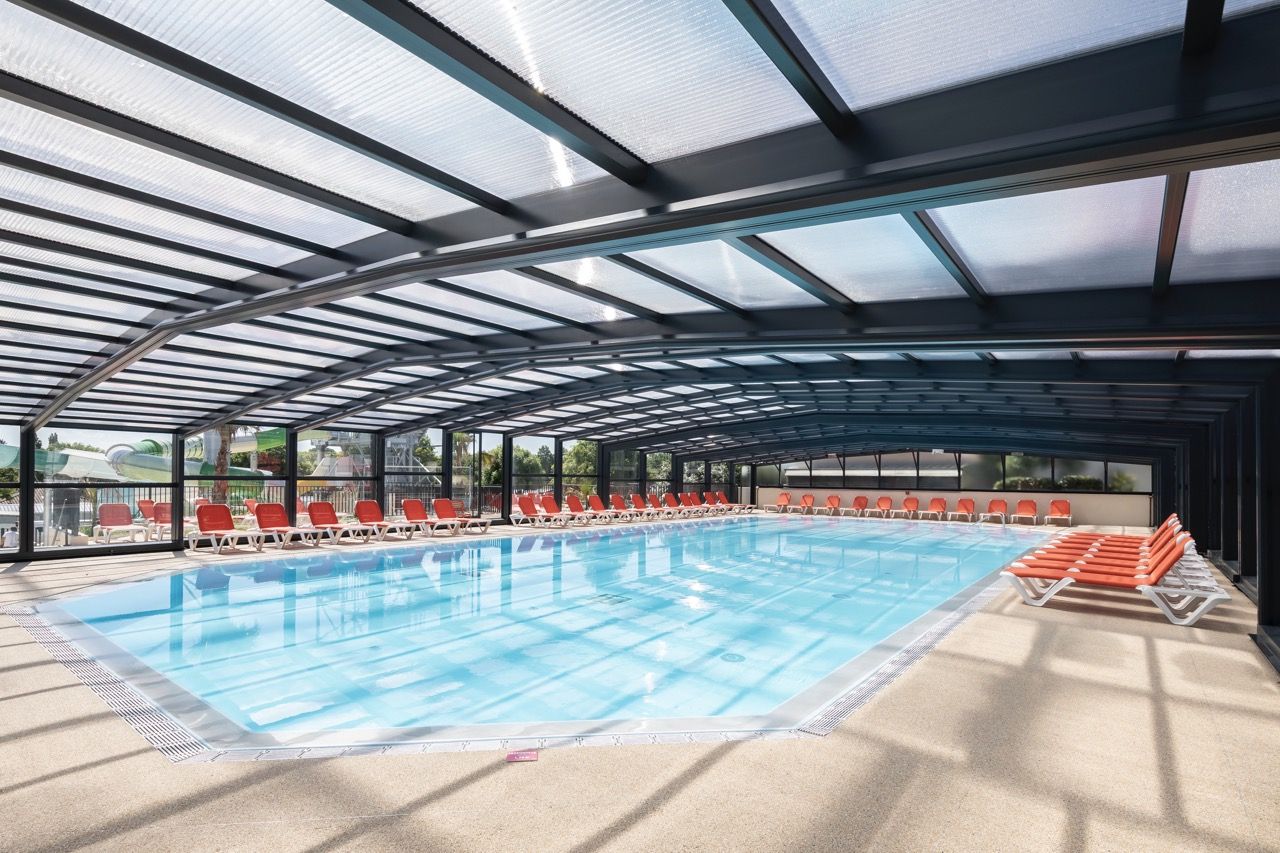
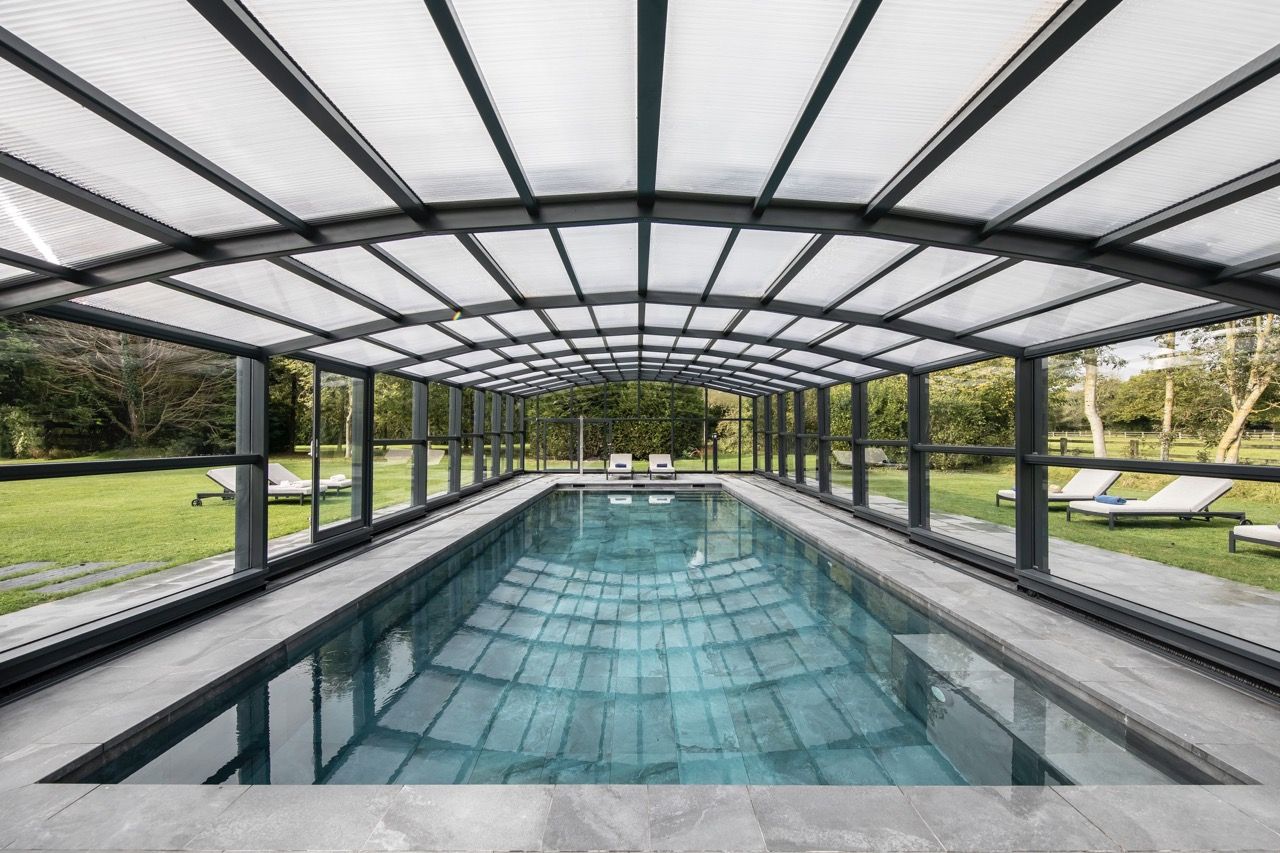
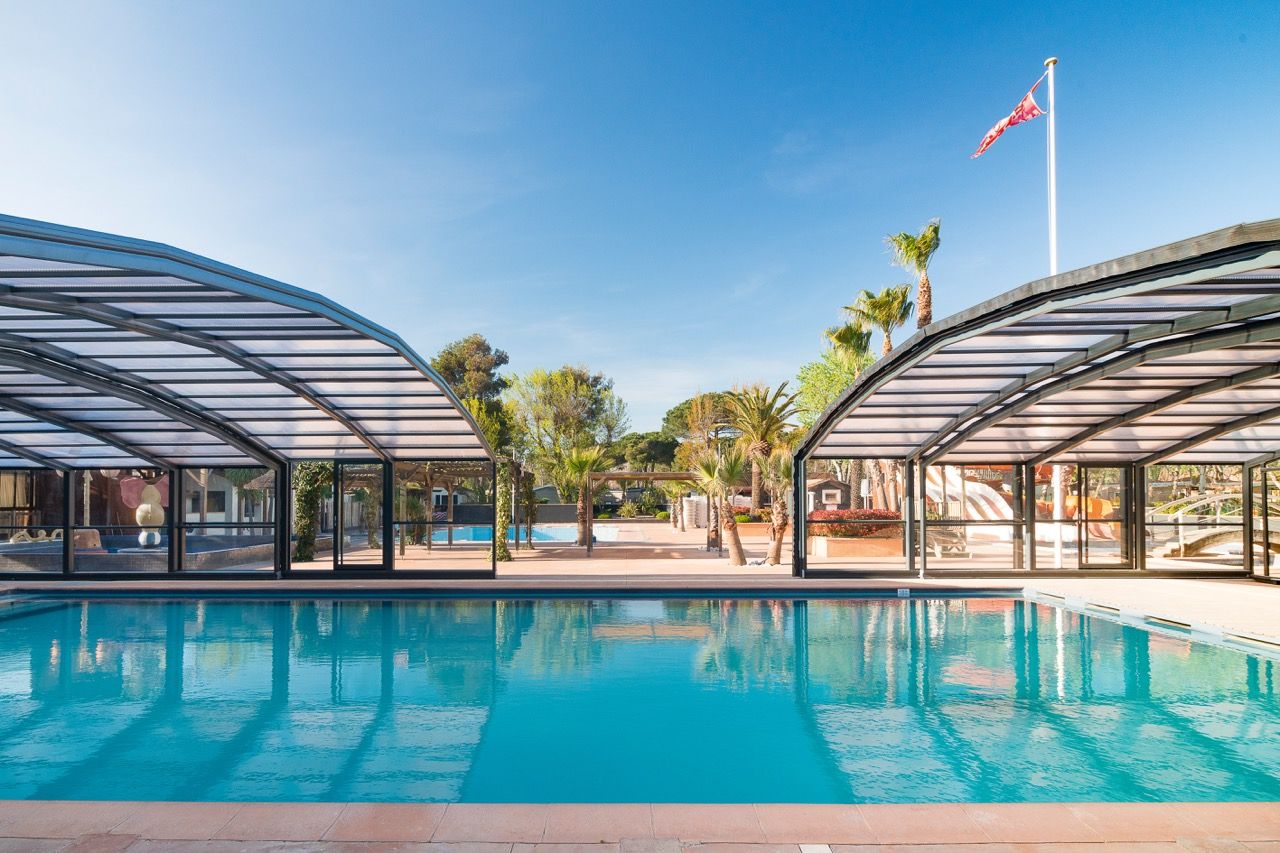
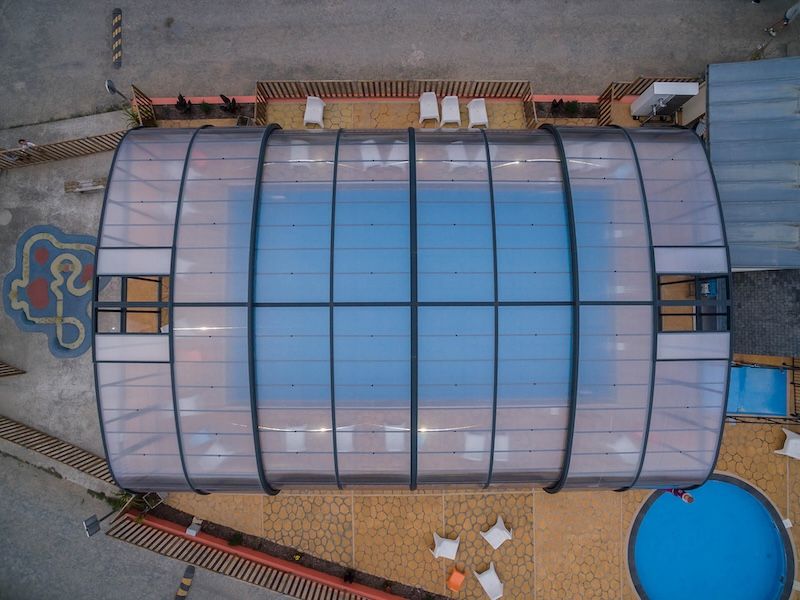
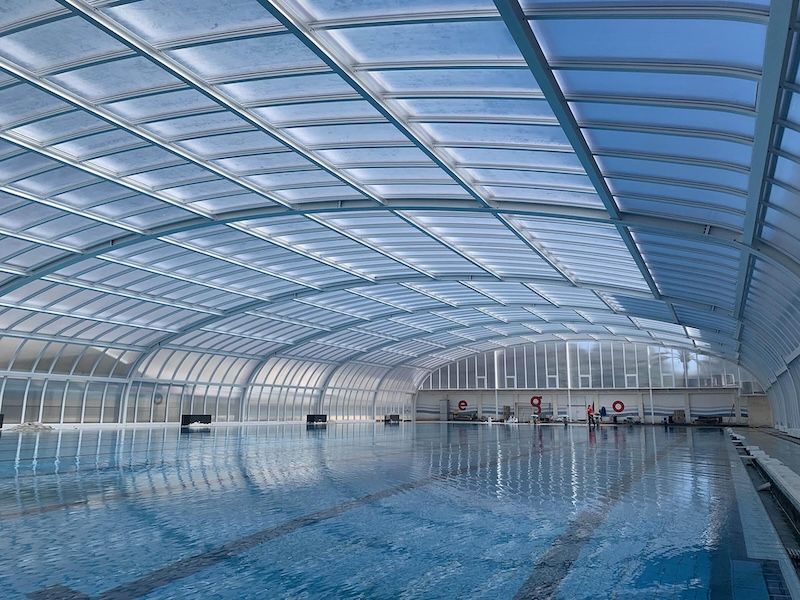
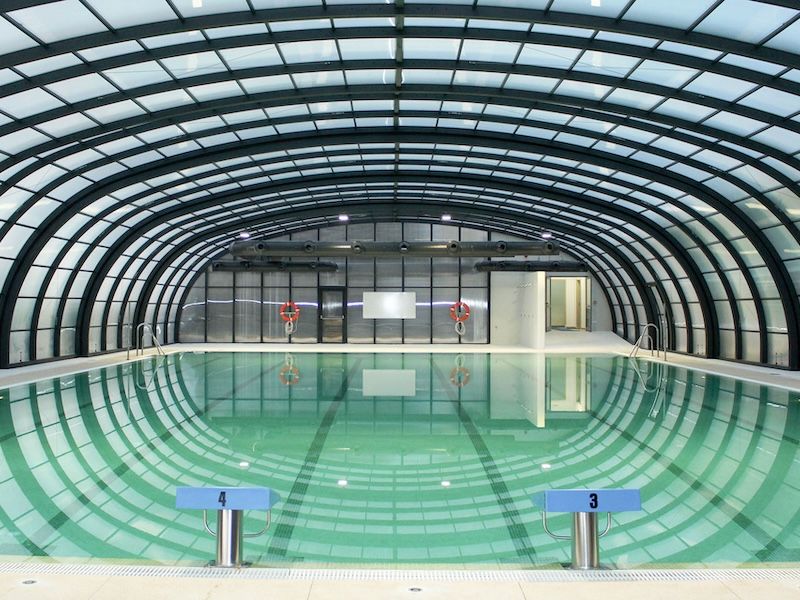
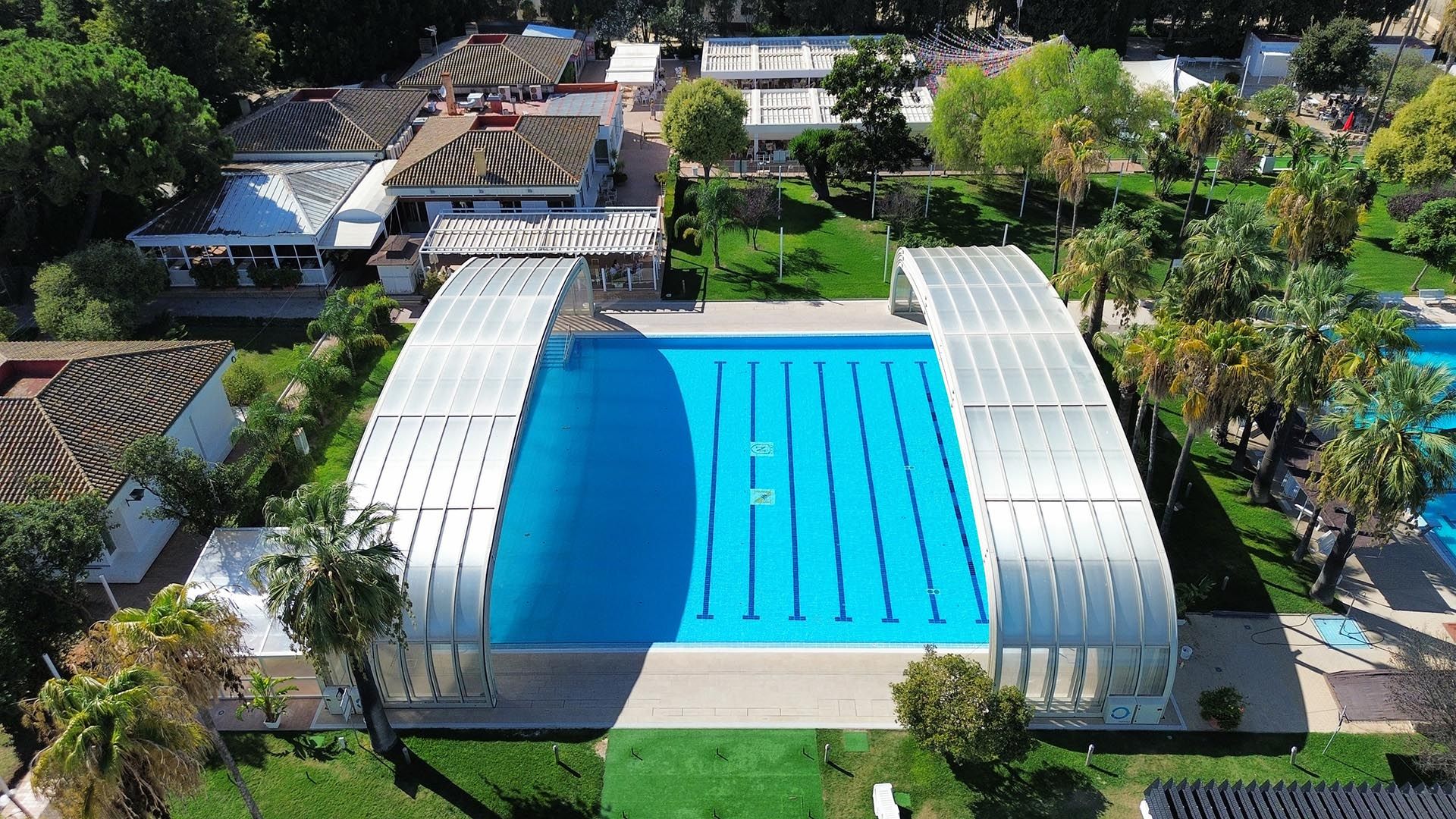
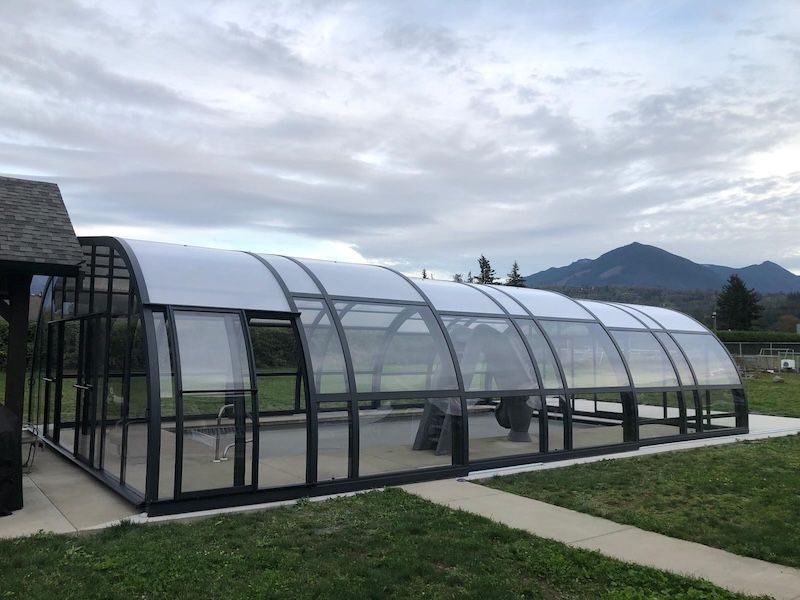
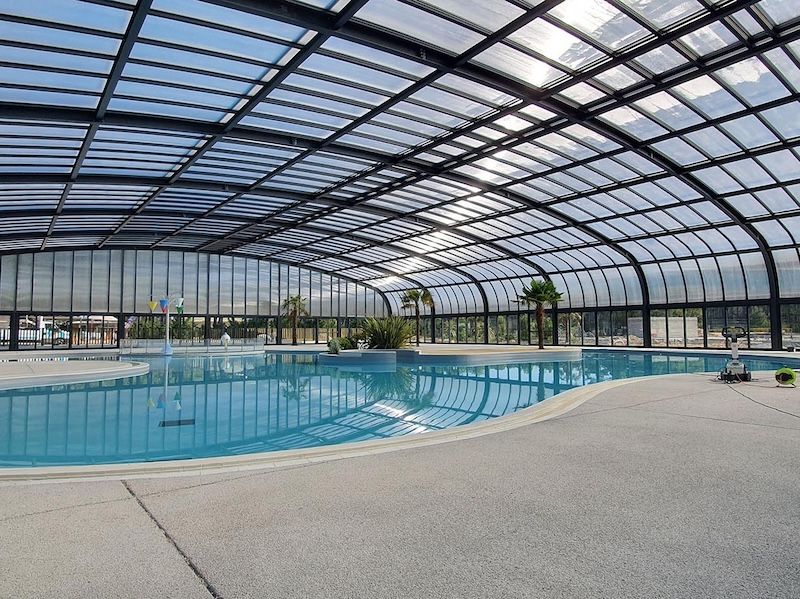
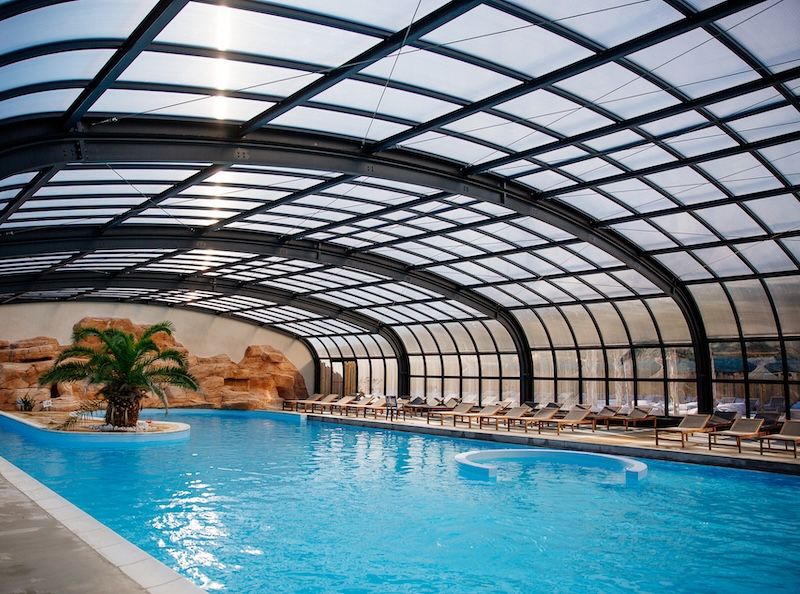
What if you could have the high-revenue reliability of an indoor pool with the "open-air" magic of an outdoor pool? Retractable pool enclosures solve the disadvantages of outdoor pools by transforming them into "Hybrid Facilities."
Turning "Outdoor Weakness" into "Indoor Strength":
- Instant Weather Shielding: When the temperature drops or rain begins, the enclosure closes, and the "outdoor" pool instantly becomes a protected indoor environment.
- Extended Seasonality: An enclosure allows an outdoor pool to open in March and stay open until November—or even run through the entire winter—effectively tripling your revenue windows.
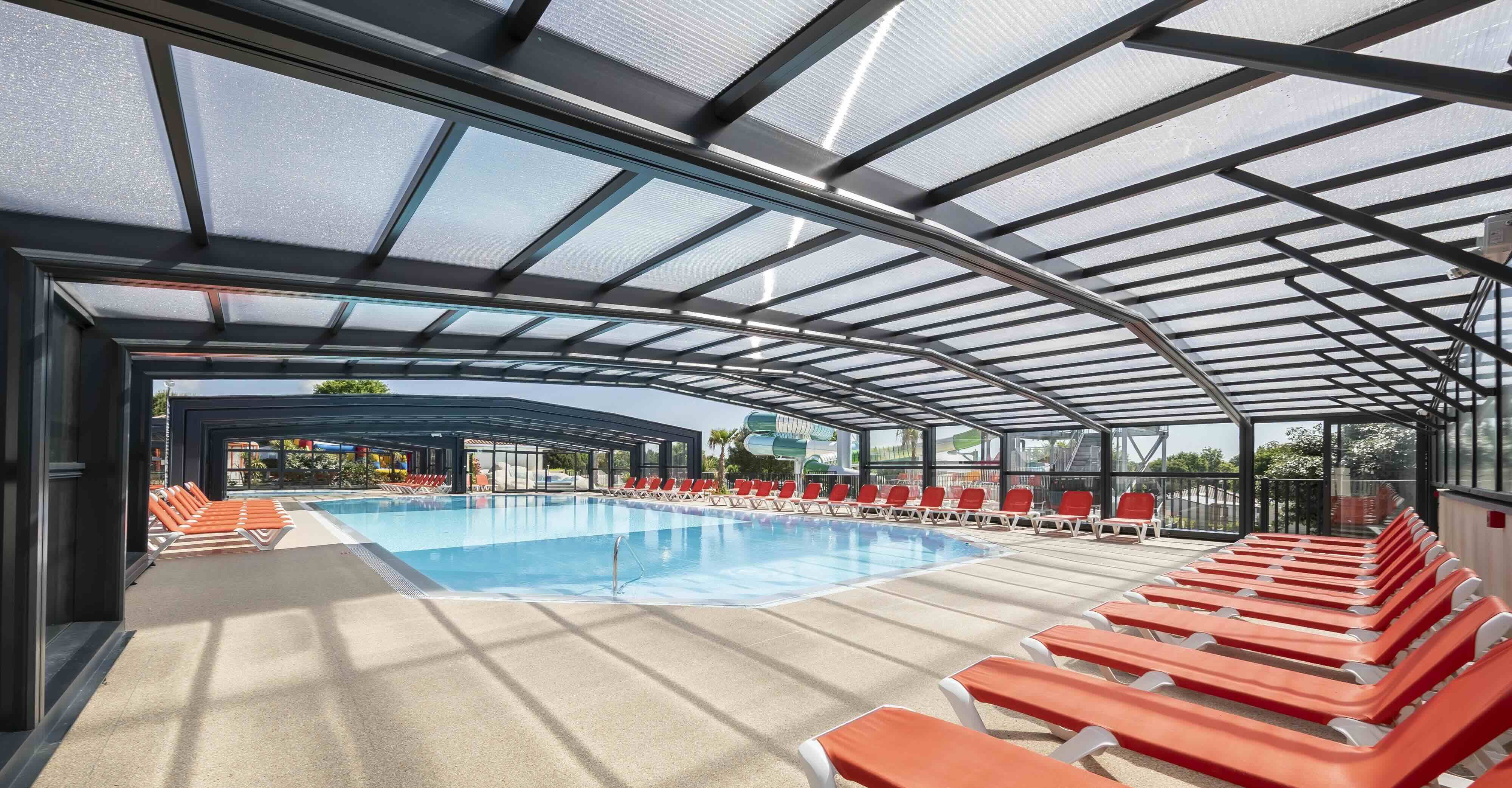
- Lowering the "Indoor Cost": Traditional brick-and-mortar indoor pools require massive HVAC systems to manage humidity. An enclosure with retractable segments allows for natural ventilation, reducing energy costs.
The Bottom Line: An outdoor pool with an inPools enclosure provides the maximum possible ROI. You get the peak summer crowds when the roof is open and steady, predictable income when the roof is closed.
Why Choose inPools for Your Facility?
At inpools.ca, we understand that public pools are community landmarks. Our aluminum and polycarbonate enclosures are engineered to turn "seasonal" limitations into "year-round" opportunities. We help you eliminate the "off-season" and keep your facility profitable 365 days a year.
Is your outdoor pool losing money 8 months of the year?

-gallery.jpeg)